
by Stacy Bremner, MA, RP
How fear narrows us, nature diversifies us, and kindness brings us back together.
🌱 How We Interpret the Wildfires
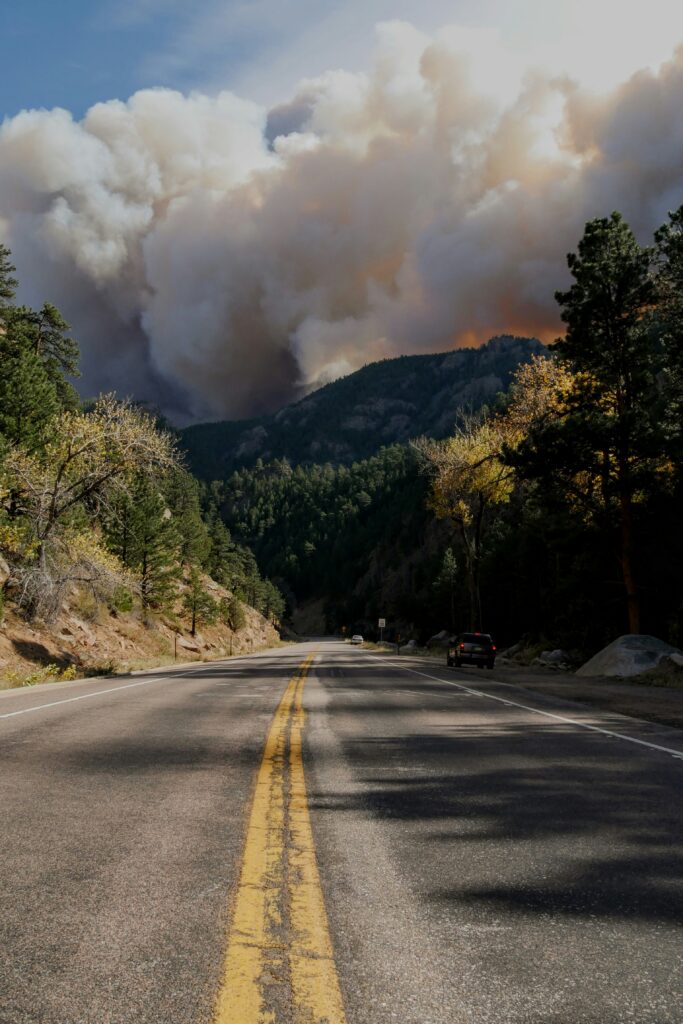
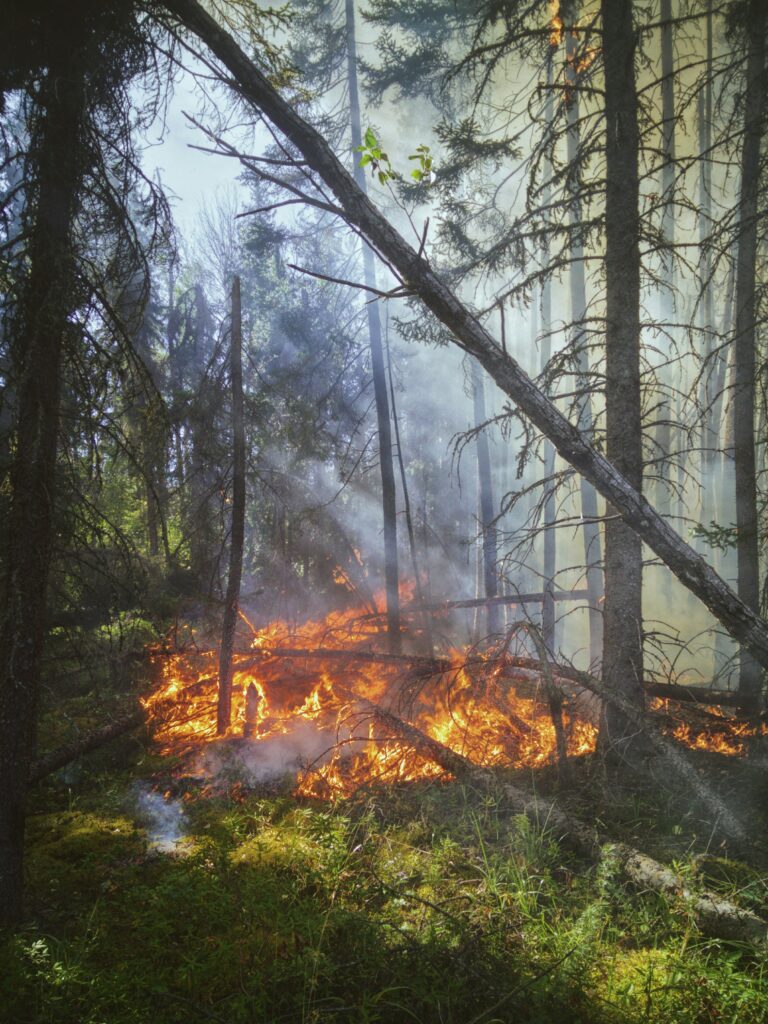
When the wildfires began this season, I noticed how differently people responded. Some said it was climate change. Others pointed to natural fire cycles. Some blamed glyphosate spraying, while others talked about forest management, lightning storms, or human ignition. And beyond the explanations, I saw fear, anger, denial, blame, curiosity, and compassion.
When I step back and look at all these reactions side by side, what stands out to me isn’t the content of the explanations — it’s the human nervous system underneath them. The smoke arrives, the sky changes, and suddenly we’re all trying to make sense of something that feels unsettling. And the way we interpret it says more about our wiring, our histories, and our emotional patterns than it does about the fires themselves. That’s what I found myself reflecting on this week.
🌿 Different Nervous Systems, Different Reactions
Last week I wrote about how opposites attract in couplehood — how two people with different tendencies can stretch each other into growth. This week, I’m noticing how that same dance of difference shows up in our global society as we respond to crises like wildfires.
People think they are talking about the causes of the fires, yet they are actually expressing something deeper and more human:
Who they trust. How they regulate fear. What worldview helps them feel safe.
And I notice this in myself as well. Each of us gets affected in different ways. Some people react quickly, some slowly, and some not at all. For me, it sometimes takes a while to realize that I’ve slipped into a fearful or blaming state. I don’t always catch it right away. But when I do notice where I’ve gone, I try to let go of the stories I’m telling myself — especially the ones I cannot possibly know are true.
Once I come back to center, I find it interesting to see what others are sharing online and how the polarization continues. And I can’t help but wonder: what if all sides have value? What if our differing reactions are simply reflections of our differing nervous systems, our differing histories, and even our differing DNA?
The content is secondary. The nervous system is primary.
Once we see that, the whole conversation softens.
🔥 Fear Makes Us Reactive — And Reactivity Makes Us Unkind
When fear takes over, kindness often disappears. We stop listening. We stop appreciating differences. We stop seeing each other as allies in a shared world.
Instead, we start treating each other as threats.
“You’re a conspiracy theorist.” “You’re blindly following the government.”
These aren’t intellectual positions. They’re nervous systems in defense mode.
🌱 We Actually Care About the Same Things
Underneath all the noise, most people care about the same core things:
- Clean air and water
- Safe communities
- Healthy land
- Food and shelter
- Animals
- Children
- A livable future
Political parties form because people care — not because they don’t. The differences may lie in how they think those things should be protected.
A friend once told me that voting for a third party wasn’t “throwing away” a vote — it was adding a balancing voice. That made sense to me. Diversity stabilizes ecosystems. Diversity stabilizes societies. Diversity stabilizes conversations.
And nature gives us a beautiful metaphor for this.
🧬 Nature Gives Us Different DNA — And Those Differences Are Gifts
Human genetics mirror the diversity of the forest.
Some people are super tasters who can detect when food is off. Some have iron digestion and can eat anything. Some see every detail. Some hold the long-term vision. Some are wired for intuition. Some are wired for analysis.
These differences aren’t flaws. They’re nature’s strategy for resilience.
Just as forests thrive through biodiversity, human communities thrive through neurodiversity, emotional diversity, and cognitive diversity. Nature never puts all her eggs in one basket — and neither should we.
Just like in couplehood, our differing tendencies in society are meant to balance us, challenge us, and expand us — not divide us.
🌬️ Are Fires “Bad”? Or Are They Part of Something Larger?
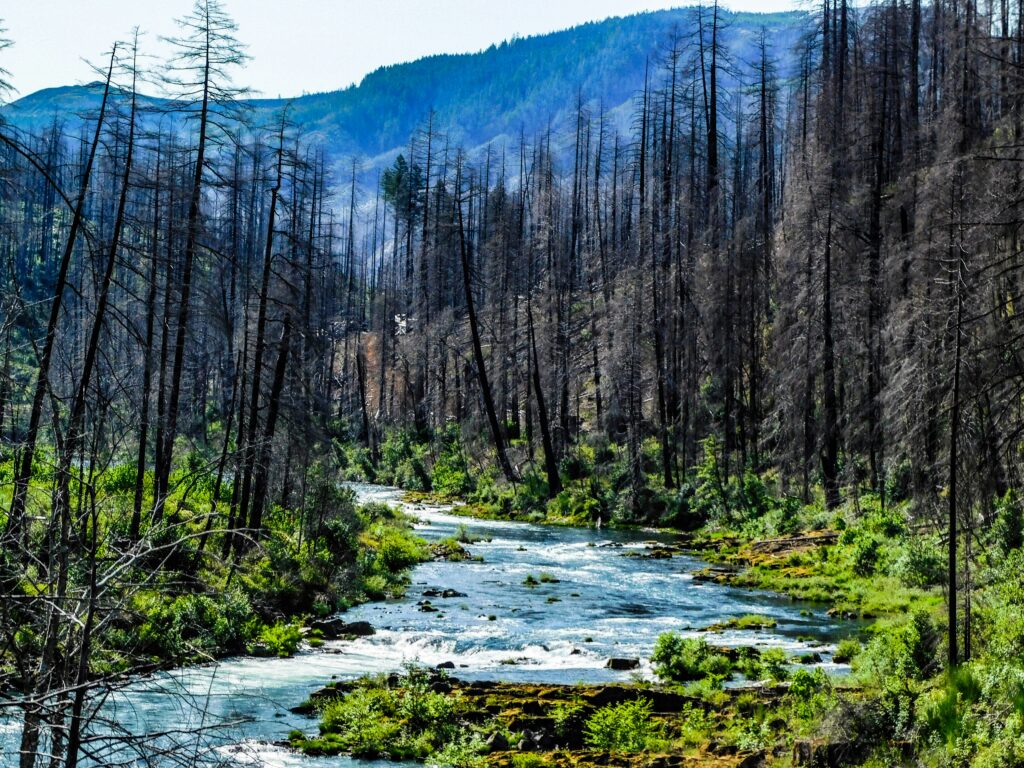
In my Kabbalah class, we explored a profound truth: We are part of nature, not separate from it. And nature is always regenerating itself. Fire destroys. Fire renews. Fire clears space for new life. Fire teaches humility. A fire feels bad. But is it? It depends.
The Buddhist story — “Who knows what’s good or bad?” — fits perfectly here.
Nature has its own cycles, its own intelligence, its own way of balancing itself. Trusting Mother Nature feels wonderful — and wise.
And yet, as humans, we also have a responsibility to keep an eye on what we’re doing. Documentaries and exposés exist because the truth is often hidden from the public. Mistakes happen every day. People make questionable decisions. Systems fail.
Humor helps. Spiritual grounding helps. Returning to center helps.
🌤️ Participating in Positive Change — Without Fear
If we want to participate in positive change, we can. But the most effective change never comes from panic. It comes from balance, clarity, curiosity, and compassion. It comes from returning to center every day.
Kindness isn’t a personality trait — it’s a practice. And it becomes easier when we understand what fear does to the nervous system. Fear makes us reactive. Centering makes us wise. And wisdom is what allows us to stay open to each other — even when we disagree.
🌾 Closing Thought
When we remember that fear is the real culprit — not each other — we soften. We listen. We reconnect. And in that reconnection, we enrich one another’s worlds again. Healing begins with kindness.
🌿 Reflection Invitation
As you notice your own reactions to the fires — or to any collective stress — what helps you return to center and stay curious about perspectives that differ from your own?