by Stacy Bremner, MA, RP
Spiritual Tools Backed by Science
Anxiety has visited me at different points in my life, and sometimes still today. In my 20s, when I moved to Canada and started university, I had my first memorable experiences with anxiety — including my first panic attacks. It was distressing, of course, but I wasn’t naïve about what was happening. I understood enough to know caffeine could make things worse, so I cut it out. That helped.
In my 40s, anxiety showed up at night. I was making some big life changes, and my nervous system felt stretched thin. I needed something that would calm me enough to sleep, and by that time I had been a serious spiritual seeker for awhile, so I leaned on gentle rituals, breathwork, and spiritual openness.
Then in my 50s, during a lawsuit with a previous homeowner, anxiety took on a different shape — sharp, situational, and persistent. One of the most effective ways I coped was by lying on the floor and “soaking” in music. Letting sound wash over me became a kind of medicine, a way to settle my system when everything was unresolved and overwhelming.
Anxiety can arise for countless reasons — nutritional deficiencies, trauma, transitions, hormonal shifts, or simply the accumulated stress of being human and trying new things. Whatever the cause, the body is always trying to communicate something. And there are ways to meet it with kindness.
One thing I often say to clients, and to myself, is that the goal is not to be happy all the time. The goal is to learn to become more peaceful with all our ups and downs. When we stop expecting constant happiness or comfort, we stop pathologizing normal human emotion — and we make room for calm, clarity, and self‑compassion to return.
This week, I want to share a few techniques that helped me over the years — practices I returned to again and again because they worked — and to offer some gentle education about anxiety itself, so you can understand what your body is trying to tell you.
Anxiety Release Techniques
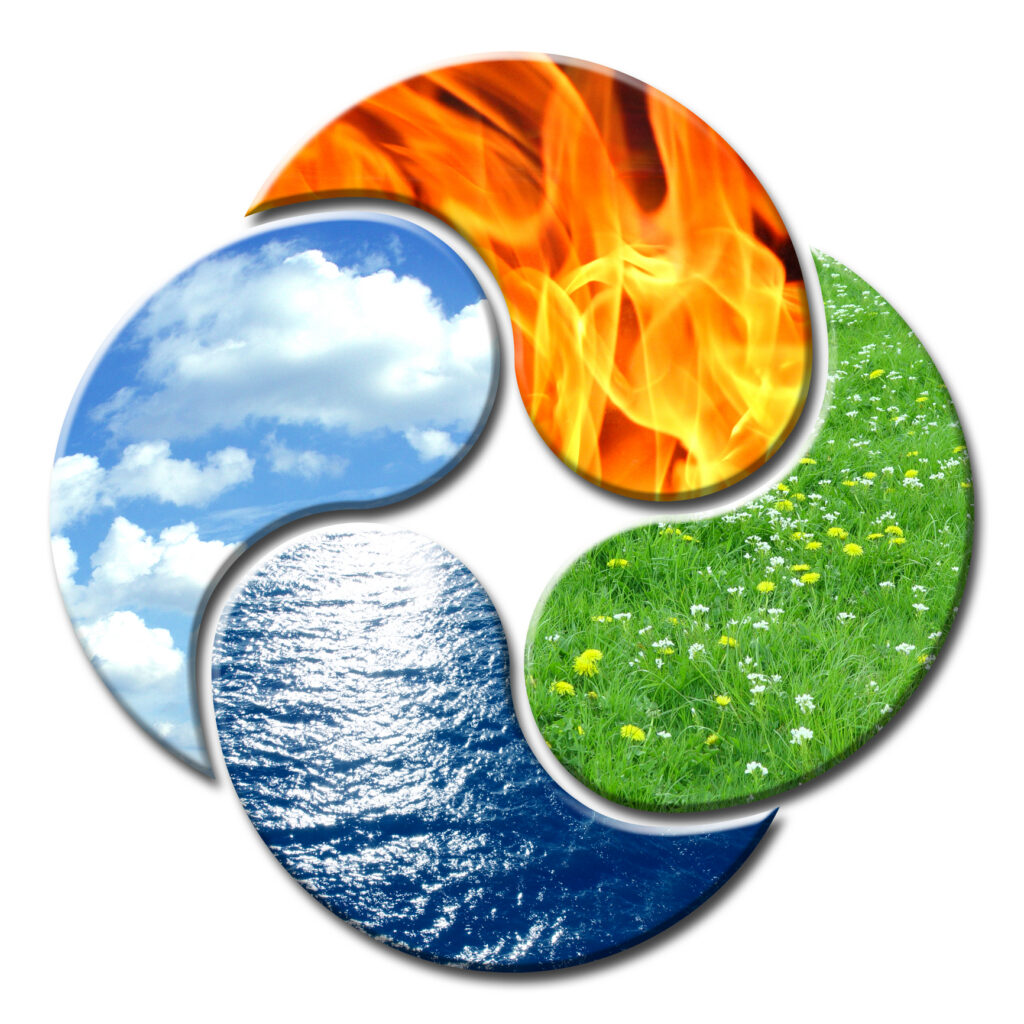
Using the Four Elements to “Decharge” Stress
Back in 1999, one of my favorite books was How to Get What You Want and Want What You Have by John Gray (Yes, he was also the author of Men are from Mars, Women are from Venus, in 1992), where he described a simple but profound idea: we can release stress and negativity through the four elements of nature — air, water, fire, and earth. These practices are meditative, sensory, and deeply regulating for the nervous system. I have used many of them he suggested in the book, and I still use them.
Air
Air practices help clear mental clutter and open the chest.
- Deep breathing
- Prayer or chanting
- Singing or toning
- Drumming or crystal singing bowls
- Soaking in music
- Standing outside in the wind
Air moves energy. It shifts what feels stuck.

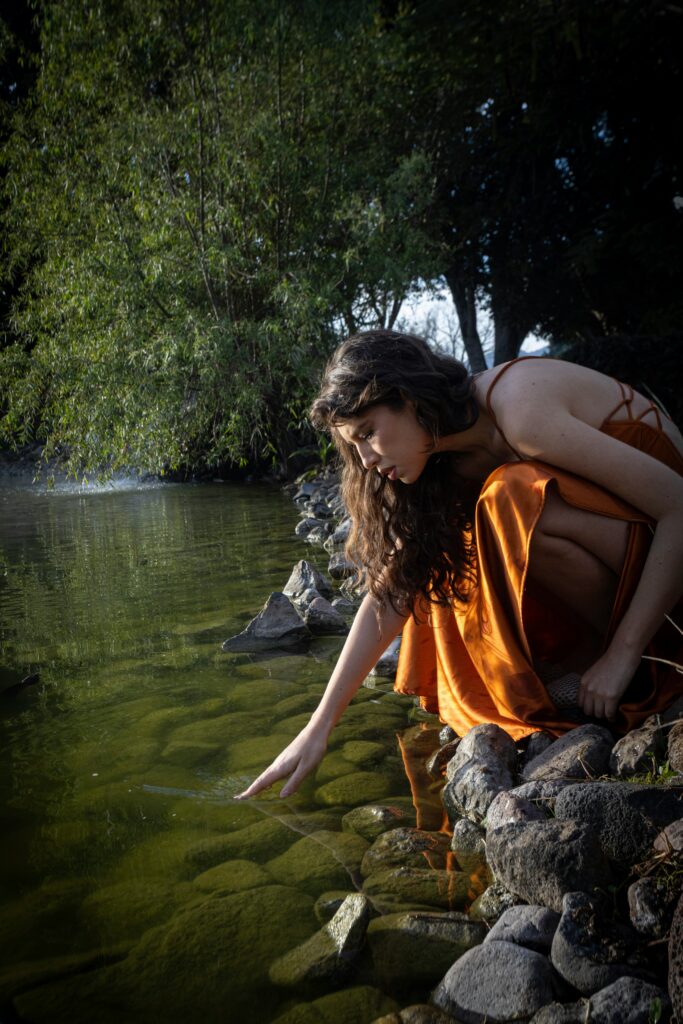
Water
Water practices soothe, cleanse, and regulate.
- Swimming
- Showering
- Drinking water slowly and intentionally
Water absorbs emotional charge and helps the body reset. Imagine your daily shower washing away all your stresses. And so it is….
Fire
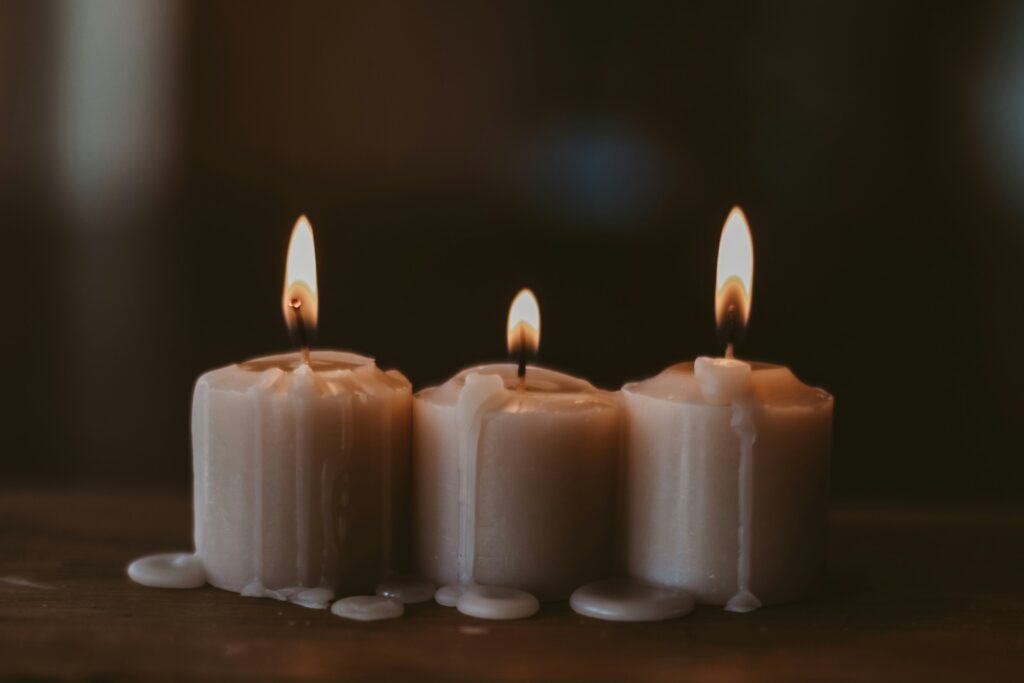
Fire practices transform and release.
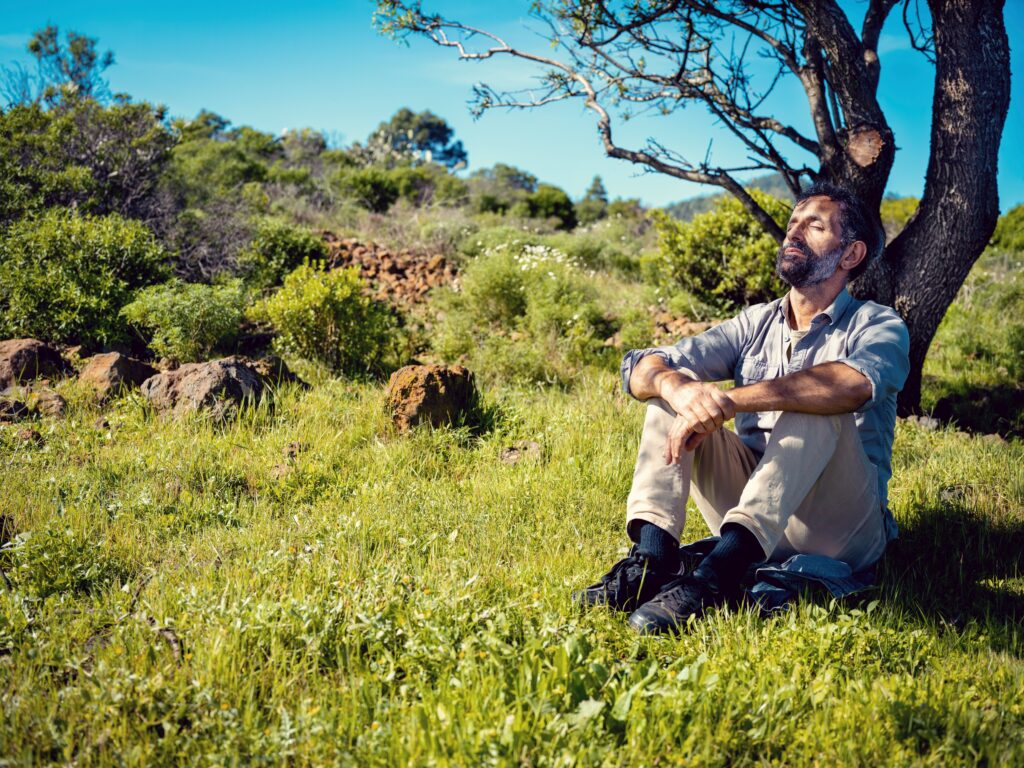
- Sitting in the sun
- Watching a candle or campfire
- Watching the sunrise or the sunset
- Burning intentions or worries written on paper
Fire symbolizes change. It reminds us that release and renewal are possible.
Earth
Earth practices ground and stabilize.
- Walking in nature
- Gardening
- Touching rocks or soil
- Walking barefoot outside
- Hugging trees
- Sending negative energy into houseplants
- Looking out the window at something green, even in winter
Earth receives what we no longer need and returns steadiness.
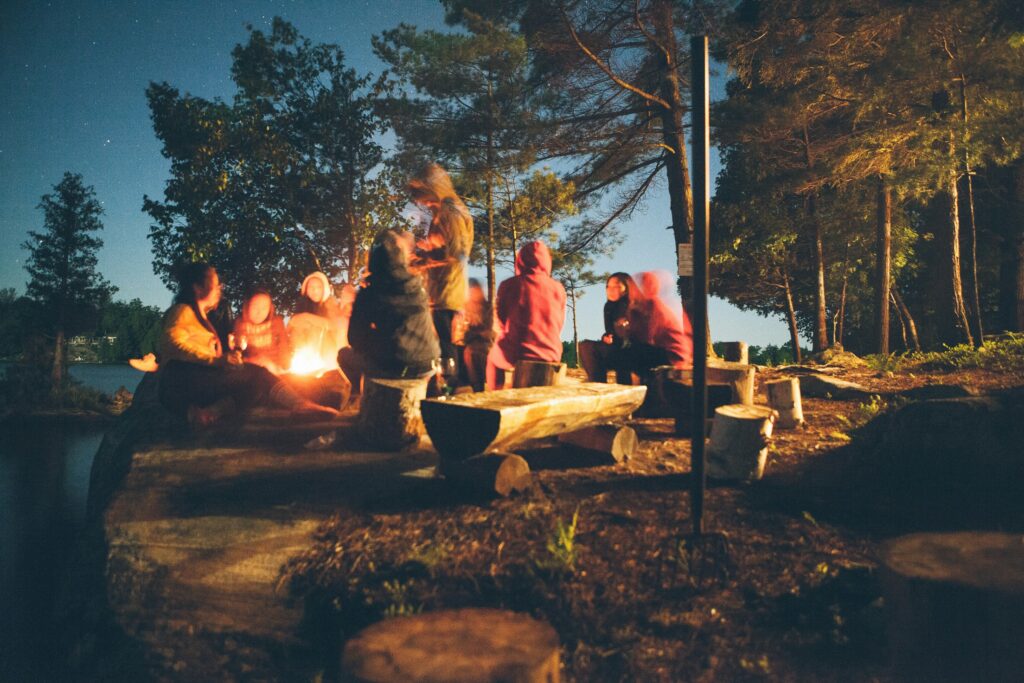
Think of native traditions: gathering around a fire, singing, drumming, dancing, telling stories. These practices naturally combine air, fire, and earth — and they regulate the nervous system in ways modern science is only beginning to understand.
How to Release Negative Energy Safely
One of the most important principles is this: We send negative energy out where it will do no harm. Not toward anyone we’re upset with. Not toward people we’re worried about. Nature can transmute what we cannot, or don’t need to, hold.
Here is a simple practice:
- Sit quietly for several minutes with your palms facing upward.
- When you feel ready, point your palms toward a plant, a fire, or a body of water.
- Use a meditation phrase, or simply breathe and imagine the energy leaving your hands, chest, face, and breath. Notice where this shows up for you as you release the energy.
- Let nature take it. Then give thanks.
As John Gray wrote, “Nature thrives when we offer up our negative energy.” Think about how we give flowers as gifts and at funerals. We offer them in moments of celebration and in moments of grief — perhaps because plants help us hold difficult emotions, or soften them, or balance them with natural beauty. Think about how you “feel” when you gaze at flowers or hold a bouquet or a live plant.
A Bedtime Practice for Releasing Anxiety
During the years when nighttime anxiety was strongest, I used a practice that became a steady companion. It’s simple, embodied, and deeply comforting.
Lie on your back with your feet shoulder‑width apart. Let your arms rest a little away from your sides, palms facing upward. This posture alone signals openness — a willingness to receive support rather than brace against fear.
Begin breathing deeply, slowly, and intentionally.
Then repeat a phrase that feels right for you. One I used was:
“Dear God, my heart is open to You. Please come into my heart.“
Gray suggests you can add additional requests such as, “Please take this stress… this fear… this self‑doubt… this negativity… this sickness…”
Name whatever is present for you, that you would like to release. Speak it gently. There is no need to force anything.
Continue breathing as you repeat your phrase at least a dozen times. Allow yourself to soften. Allow yourself to hand it over — the tension, the worry, the looping thoughts. Let your higher power hold what you no longer want to carry.
This practice is about releasing but also receiving. Receiving comfort. Receiving support. Receiving the reminder that we are not meant to do everything alone.
You can address this to Lord, Christ, Gaia, your Spirit Guides, your Angels — whatever feels meaningful and comforting for you.
When anxiety rises, the body tightens. This posture — open chest, open palms — invites the opposite. It teaches the nervous system that safety is possible, that help is available, and that you can rest. When we speak, they listen.

Another Simple Release Practice: The Object Transfer Meditation
Choose a small object — a stone, leaf, shell, or piece of paper. Hold it in your hands and name the worry, fear, or tension. Imagine the object absorbing the energy. Then place it somewhere symbolic:
- At the base of a tree
- In a bowl of water
- Beside a candle
- Buried in soil
This gives the mind a physical ritual of release. The body responds to symbolic action more than we realize.
A Simple Worry‑Box Practice
This is another anxiety release technique I used, especially with young clients who needed something tangible.
Write your worry on a small piece of paper — just a sentence or a phrase. Name it clearly. Naming things helps the mind stop wrestling with them.
Fold the paper gently and place it in a box, a jar, or a designated container. Close the lid.
The act of writing, folding, and placing the worry somewhere physical gives your mind a sense of completion. It signals that the worry has been “handled” for now, and you don’t need to keep carrying it.
You can keep the box on a shelf, beside a candle, or near a plant. Some people empty it once a month. Some burn the papers. Some simply let them accumulate as a record of what they’ve released.
You can also put the paper in water and freeze it in a sealed container. I find this to be a strong signal for healthy change. “I am done with this!”
The point is the ritual — the symbolic act of setting something down.
A Few Thoughts About Anxiety, Worry, and Stress
Anxiety, worry, and stress are part of being human — but carrying them endlessly doesn’t help us. These states only serve us when they motivate action, inspire change, or alert us to something that truly needs our attention. There is value in that kind of signal.
But so often, we worry about things that haven’t happened. We feel anxious or insecure about situations we think are unfolding, even though we have no proof. We suffer needlessly when our minds create stories that our bodies then react to as if they are real.
This is why letting go is not a one‑time event. It’s a gift we give ourselves over and over again. A practice. A kindness. A way of interrupting the cycle of fear. When we release what isn’t ours to carry — even for a moment — we create space for clarity, calm, and connection to return.
The Science Behind These Practices
Modern science is finally catching up to what ancient traditions and spiritual practices have known all along: nature regulates us. Breath regulates us. Ritual regulates us. And the body responds to symbolic release in measurable ways.
1. The Nervous System & Polyvagal Theory
Anxiety activates the sympathetic “fight‑or‑flight” system. Deep breathing, singing, prayer, and open‑palmed postures stimulate the vagus nerve, shifting the body into the parasympathetic “rest‑and‑digest” state.
2. Sensory Regulation Through Nature
Wind, sunlight, water, soil, plants and fire provide predictable sensory input. These cues calm the amygdala — the part of the brain that signals danger.
3. Heart Rate Variability (HRV)
Slow, deep breathing increases HRV, one of the strongest indicators of emotional resilience. Higher HRV = lower anxiety, better sleep, and improved stress recovery. Deep breathing tells the brain that everything is ok.
4. The Physiology of Prayer & Spiritual Surrender
Prayer activates brain regions associated with trust, safety, and connection. When we hand our worries over to a higher power, the brain responds as if we are being supported.
5. Symbolic Action & Emotional Processing
Burning a worry on paper, placing a stone under a tree, or putting a written worry into a box engages the brain’s symbolic processing centers. The mind treats symbolic release as real release.
6. Nature & Mental Health
Even ten minutes in nature can:
- Lower cortisol
- Reduce rumination
- Improve mood
- Regulate the nervous system
- Enhance sleep

Closing Reflection
Anxiety can feel isolating, but it is one of the most human experiences we have. Over the years — in my own life and in my work with clients — I’ve learned that we don’t need complicated solutions. We need practices that help us soften, breathe, and reconnect with something larger than the fear. Nature offers that. Ritual offers that. Prayer offers that. And science quietly confirms what our bodies already know: we can release what overwhelms us, and we can come back to ourselves.
These techniques are powerful yet simple — ways to hand over what is too heavy, ways to let the nervous system settle, ways to remember that support is always available when we ask for it. Healing begins with kindness, and anxiety is no exception.
If you’d like more gentle practices to support you through anxious moments, I’ve gathered additional tools on my website under Mindful Methods for Anxiety. You’re welcome to explore them whenever you need something steady to lean on.